When discussing “innovation” on the shop floor, the 5S methodology is frequently the first tool mentioned, yet it is simultaneously the most easily overlooked. Many organizations mistakenly misunderstand 5S as mere housekeeping or a basic cleaning routine. However, from the perspective of an operations expert with over two decades of managing global manufacturing facilities, 5S is a powerful strategic management framework designed to visualize waste and build the foundational discipline required for sustainable operational efficiency.
In this guide, we will explore the true operational essence of the 5S framework and analyze pragmatic execution strategies to transform your plant into a high-performing manufacturing hub.
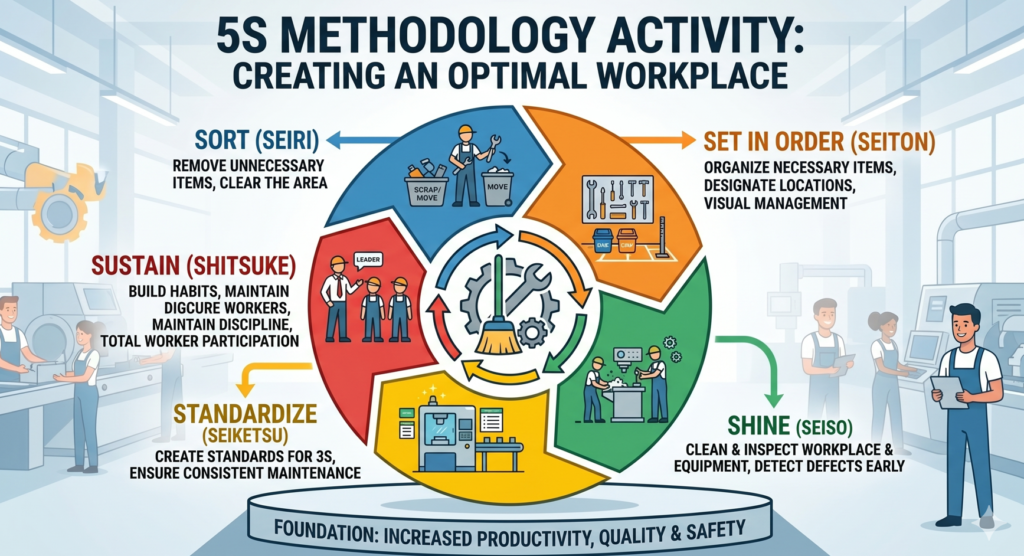
1. What is the 5S Methodology? (Definition)
The 5S methodology originates from five Japanese words that define structured workplace organization. Each phase is systematically linked to establish an optimal workplace ecosystem:
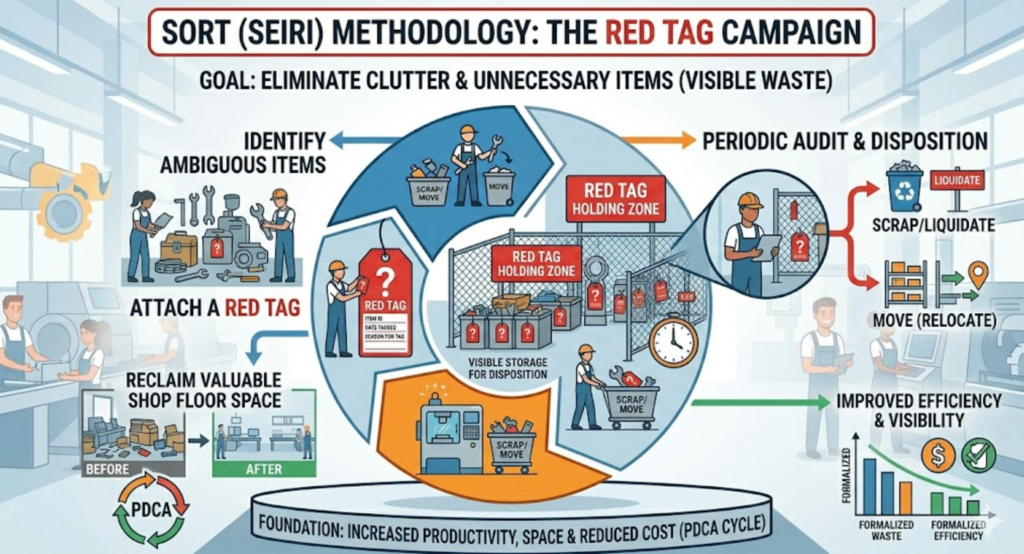
- Sort (Seiri): Clearly distinguish between necessary and unnecessary items, boldly removing the latter from the shop floor to eliminate clutter and reclaim valuable space.
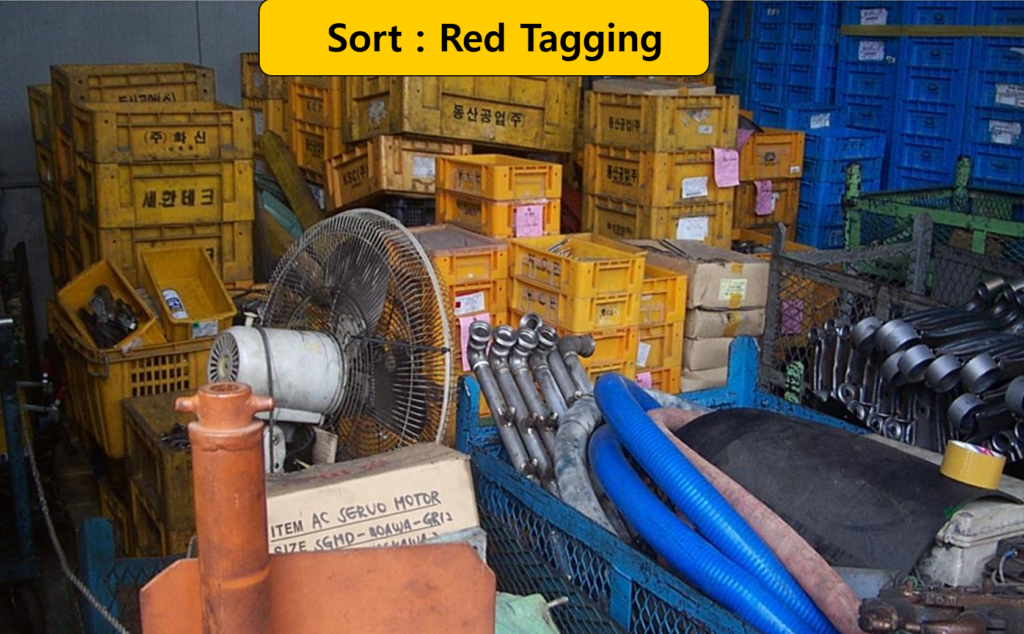
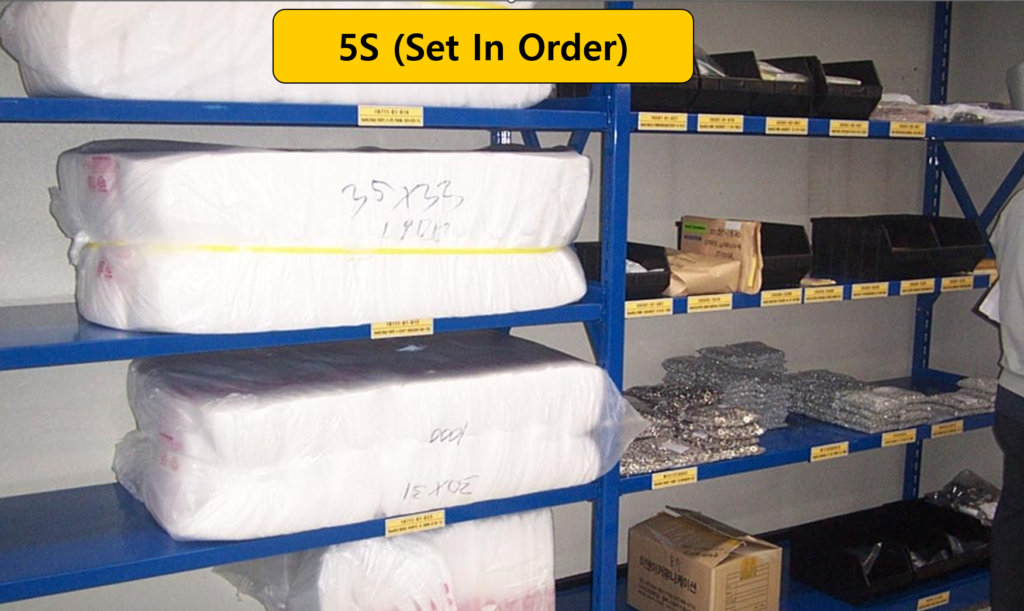
- Set in Order (Seiton): Arrange all needed items in designated locations with clear positioning and labeling, ensuring anyone can locate and retrieve them instantly. This is the absolute cornerstone of Visual Management.
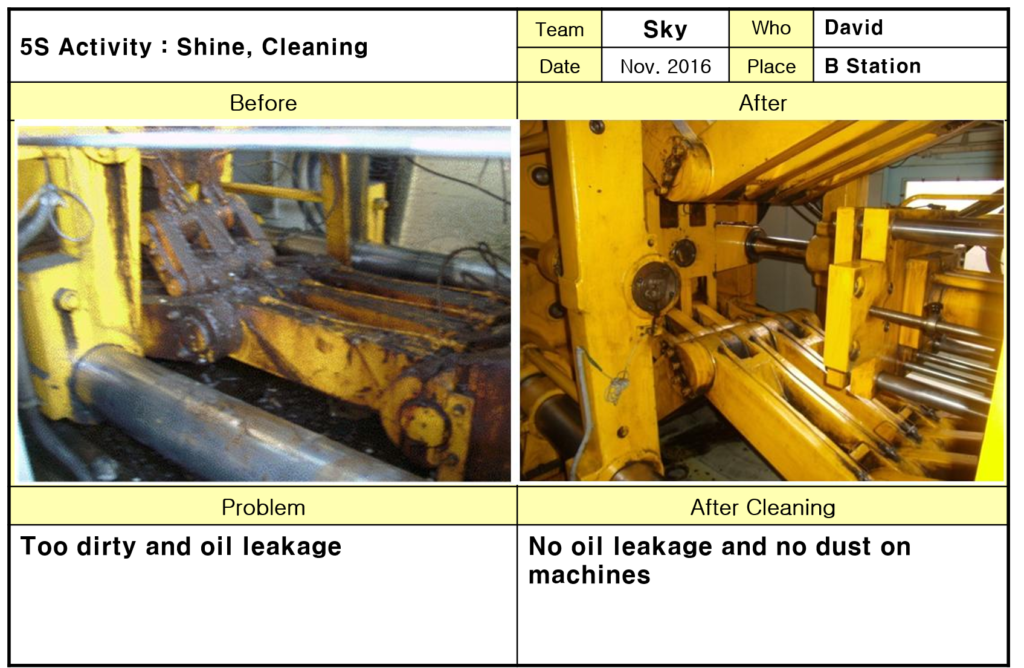
- Shine (Seiso): Clean the workplace and machinery thoroughly. This phase is fundamentally an act of technical inspection, allowing operators to detect micro-defects, loose fasteners, and early signs of equipment deterioration.
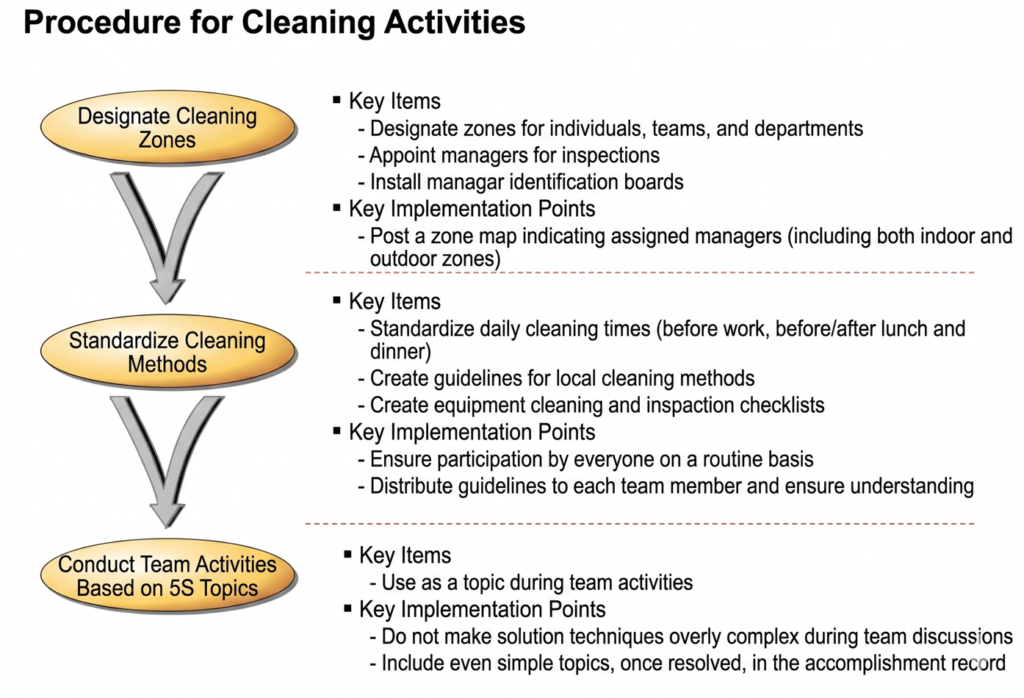
- Standardize (Seiketsu): Formulate standard operating procedures (SOPs) to maintain the gains achieved during the first 3S phases, ensuring a baseline system that anyone can easily follow.
- Sustain (Shitsuke): Institutionalize these practices into daily operating habits, embedding organizational discipline directly into the company culture.
2. Why 5S is Central to Operational Efficiency
In many underperforming manufacturing plants, the root cause of lost productivity stems from searching times, disorganized material flows, and non-value-added motion. When the 5S framework is rigorously deployed, it yields substantial, measurable strategic benefits:
- Reduction of Lead Time: When tools, dies, and raw materials are kept in standardized locations, unnecessary transit and search times are eliminated, accelerating overall process velocity and takt time adherence.
- Defect Reduction: A clean, standardized environment prevents foreign object debris (FOD) contamination and reveals quality anomalies early, radically driving down rework rates.
- Accident Prevention: Eliminating oil spills from shop-floor surfaces and clearing obstructions from walkways can proactively prevent over 80% of typical industrial safety hazards.
- Maximizing Equipment Availability (OEE): As emphasized in Total Productive Maintenance, cleaning acts as a critical proactive safeguard. Wiping down assets allows operators to catch micro-leaks early, preventing catastrophic machinery breakdowns.
3. Tactical 5S Execution Strategies from a Lean Expert
Reflecting on over 20 years of leading global corporate divisions, the key to a successful 5S transformation lies in focusing on behavioral substance rather than mere administrative form:
- Deploy a Red Tag Campaign: During the Sort phase, place a high-visibility red tag on items with ambiguous utility and move them to a designated holding zone. If left unused for a set period, discard or liquidate them completely.
- Enforce the 3R Principles (Right Location, Right Item, Right Quantity): Build rigid visual controls—such as shadow boards and floor markings—ensuring that the right item is in the right location and at the right quantity at all times.
- Executive Gemba Walks: 5S is not a burden to be pushed solely onto shop-floor operators. High-performing leaders must personally conduct routine Gemba Walks to audit standards, remove operational barriers, and foster continuous compliance through active encouragement.
Conclusion: 5S is the Default Baseline for Innovation
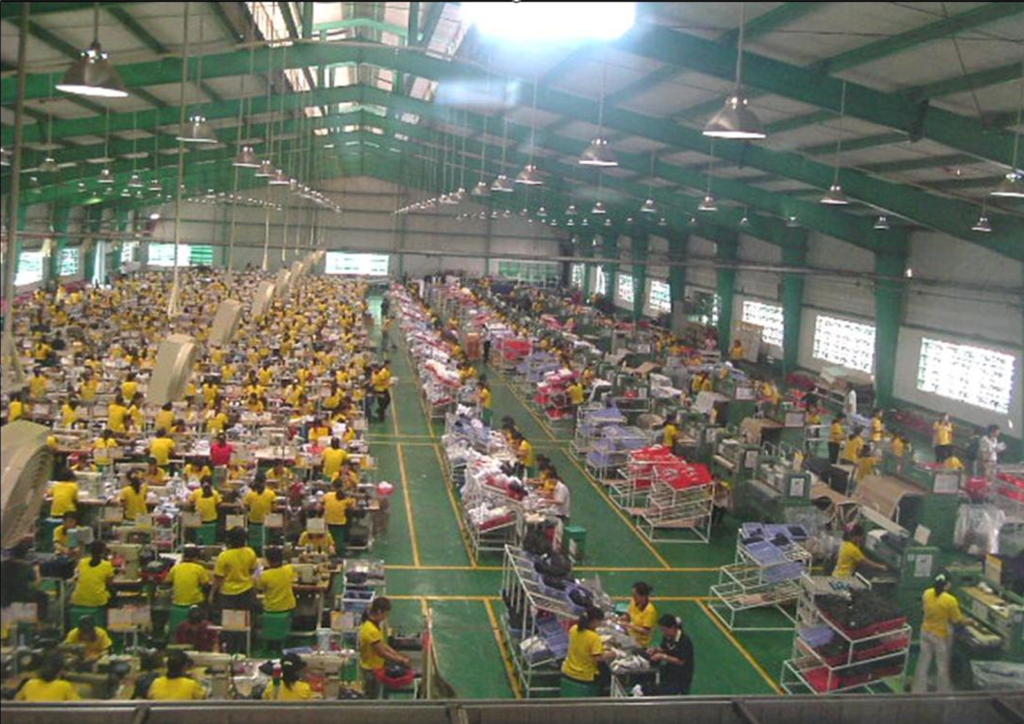
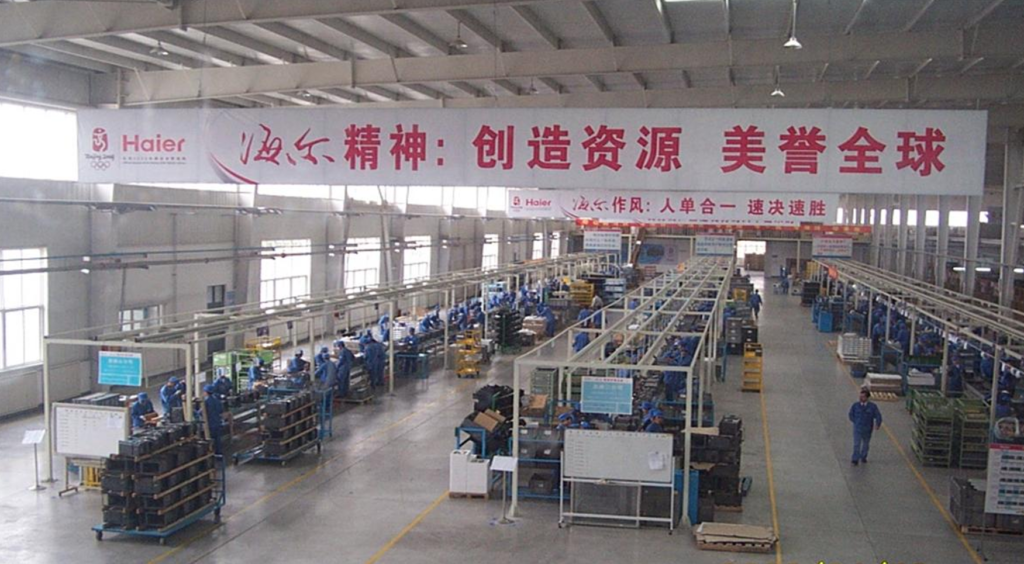
Advanced improvement frameworks like Lean Six Sigma, Total Productive Maintenance (TPM), or Smart Factory systems are fragile structures if built on an unstable foundation. The ultimate objective of 5S is not merely to construct a visually appealing plant; it is to create a transparent shop floor where abnormalities are instantly exposed.
Look around your production lines today. Is unnecessary clutter obstructing your operators’ vision? Real operational innovation begins the moment you remove that very first piece of waste.
8 Core Pillars of Total Productive Maintenance
Discover more from mfginsights.net
Subscribe to get the latest posts sent to your email.