In the world of manufacturing, efficiency isn’t just a goal. Welcome to our latest Lean manufacturing case study, where efficiency is the ultimate competitive advantage. Identifying and eliminating “Muda”(waste) is a continuous journey in Lean Manufacturing. Today, I want to share a real-world success story from a recent Internal Mounting Process Improvement Project that perfectly demonstrates how targeted Lean tools can yield massive financial and operational breakthroughs.
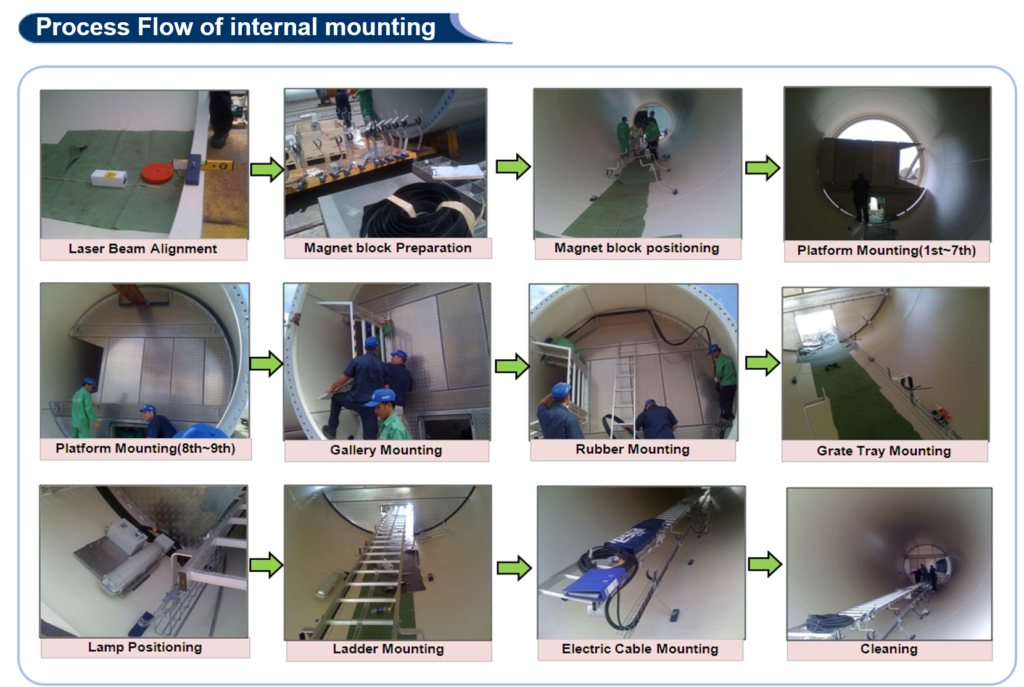
By redesigning the workstation layout, optimizing the workflow, and upgrading our fixtures, we managed to increase productivity by over 40% while slashing defects. Here is a breakdown of how we did it with Lean Manufacturing methods.
1. The Challenge: Identifying the Hidden Waste (Muda)
Before the project initiated, the Internal Mounting line was facing several bottlenecks that hampered our overall throughput. By conducting a thorough Gemba walk and process mapping, we identified significant waste in three main categories:
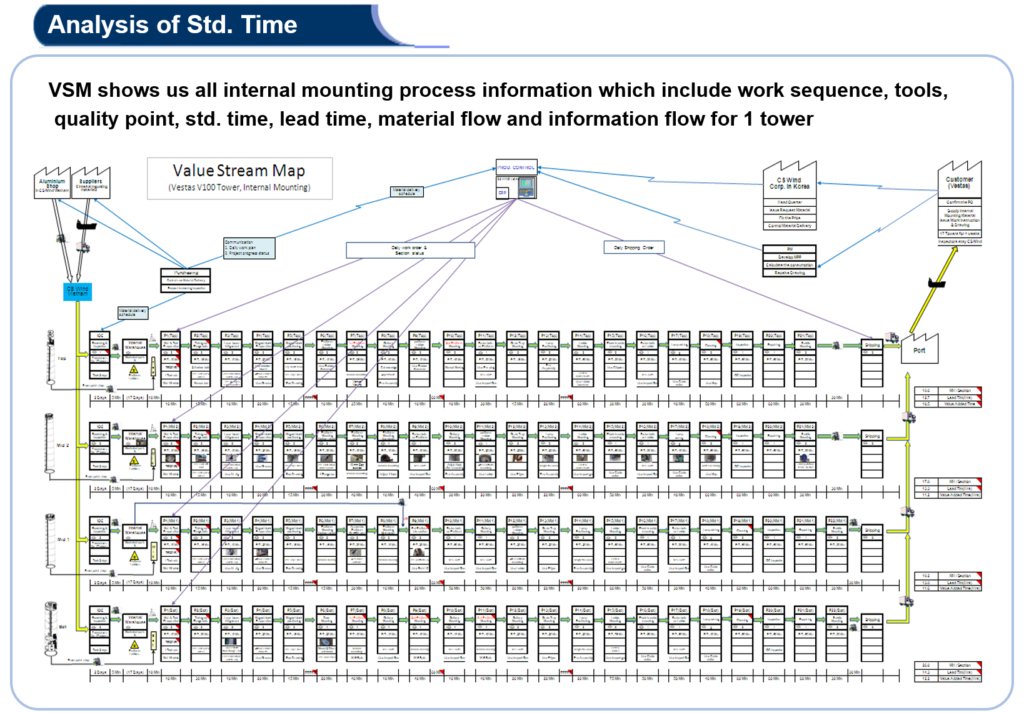
- Excess Motion & Transport: Operators were making too many unnecessary movements due to a poorly optimized workbench layout.
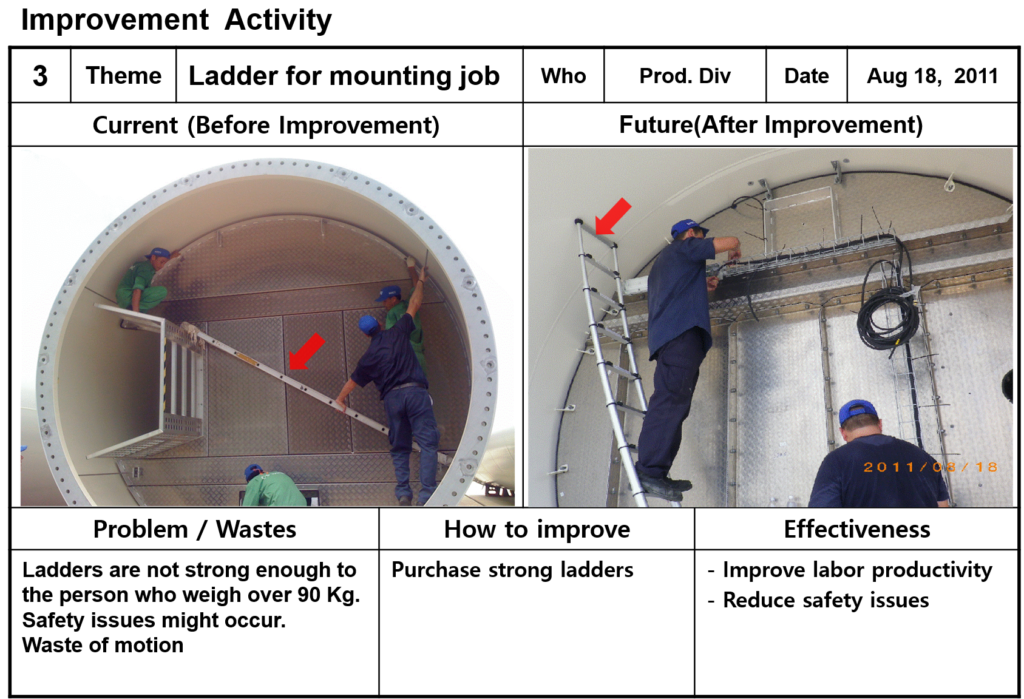
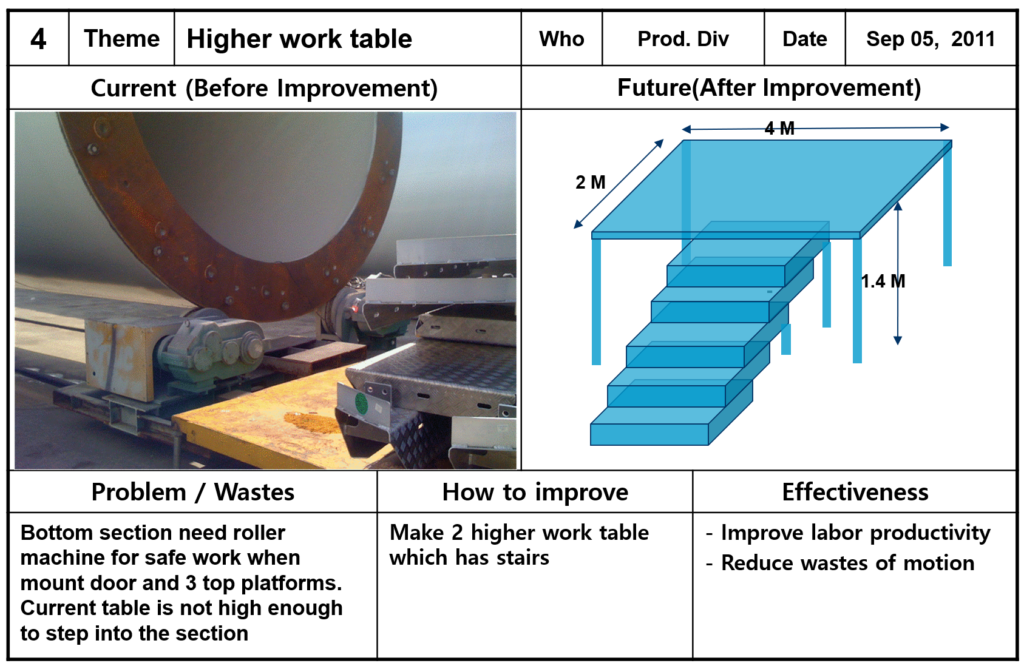
Defect Risks: The existing mounting fixtures allowed minor misalignments, which occasionally resulted in rework and quality issues.
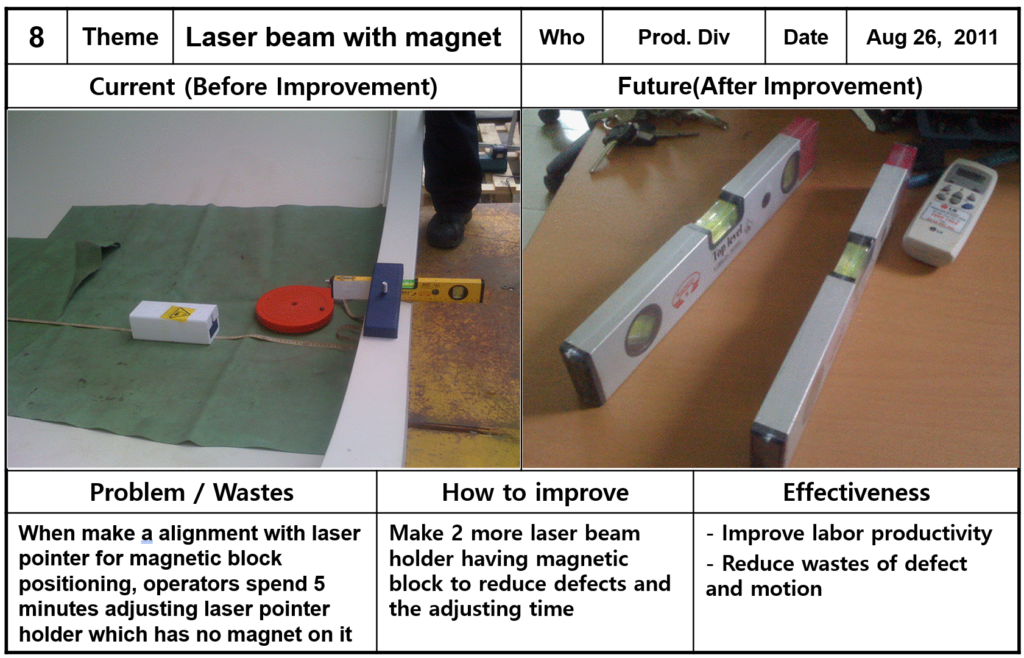
- Waiting Time: Intermittent bottlenecks caused line imbalances, leading to operators waiting for the next component.
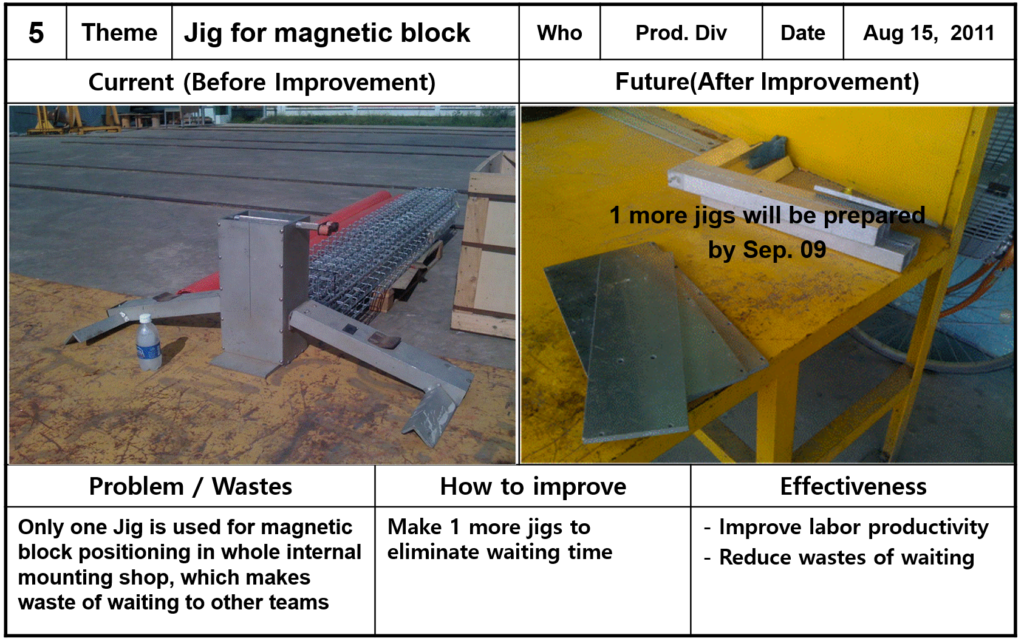
2. The Solution: Redesigning for a Lean Manufacturing Case Study
To eliminate these wastes, our project team implemented a series of structured improvements focused on ergonomics and standard work.
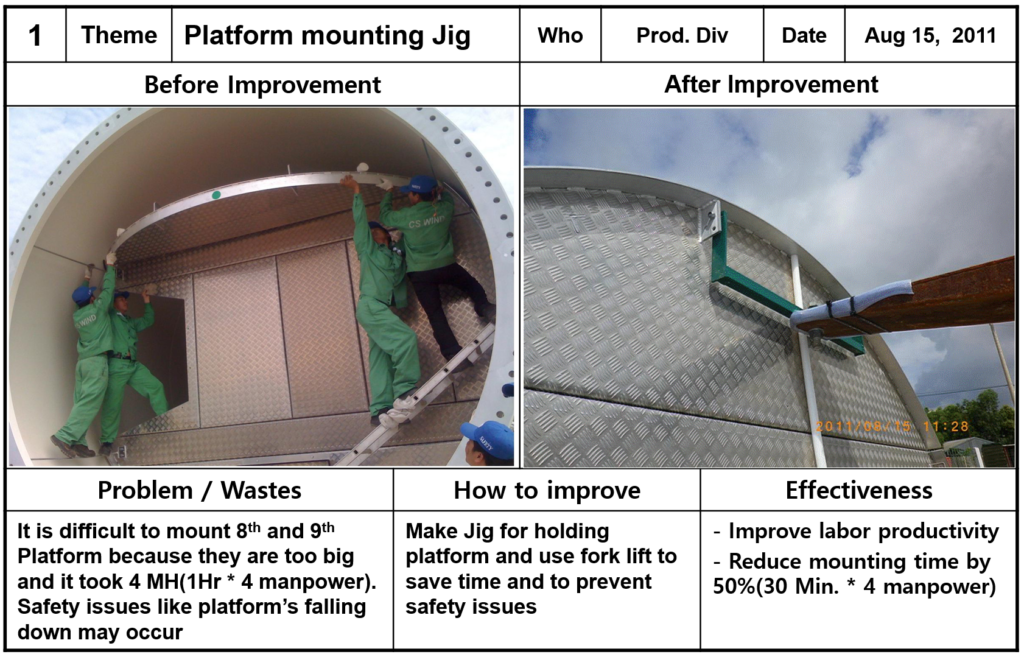
🛠️ Workplace Optimization (5S & Ergonomics)
We completely overhauled the mounting workstation. By applying the principles of motion economy, frequently used tools and components were placed right at the operator’s fingertips. This drastically reduced cycle time per unit.
⚙️ Smarter Fixture and Tooling Upgrades
We redesigned the internal mounting fixtures to ensure a “Poka-Yoke” (mistake-proofing) environment. The new fixtures automatically align the components perfectly, eliminating human error and preventing defects before they happen.
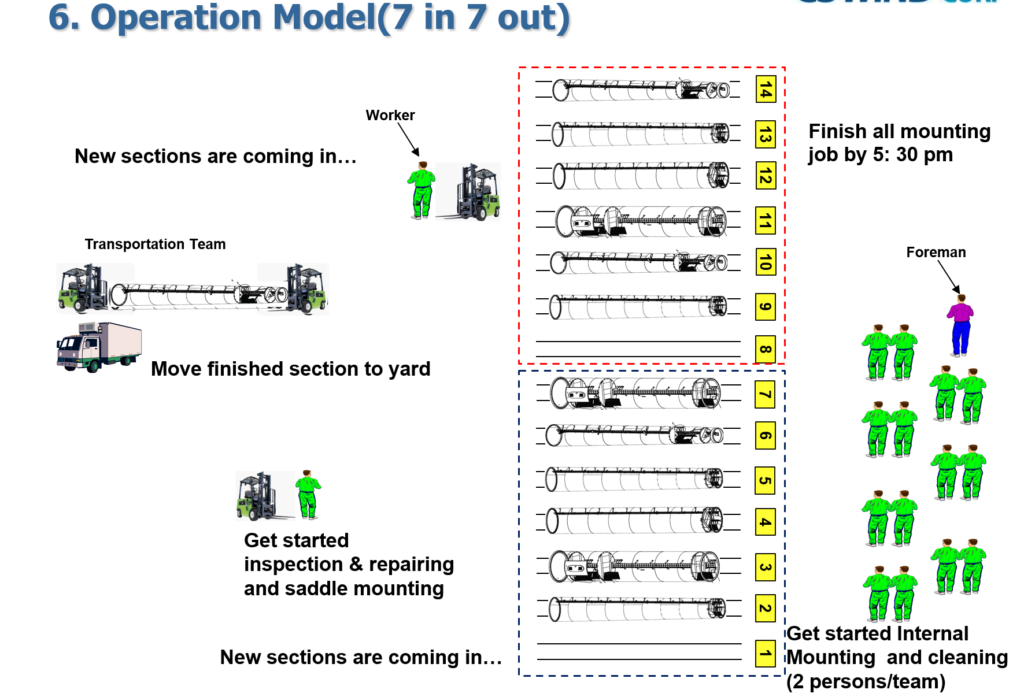
⏱️ Line Balancing
We re-calculated the Takt time and redistributed work elements among operators. This eliminated the waiting time and created a smooth, continuous flow from assembly to the final inspection.
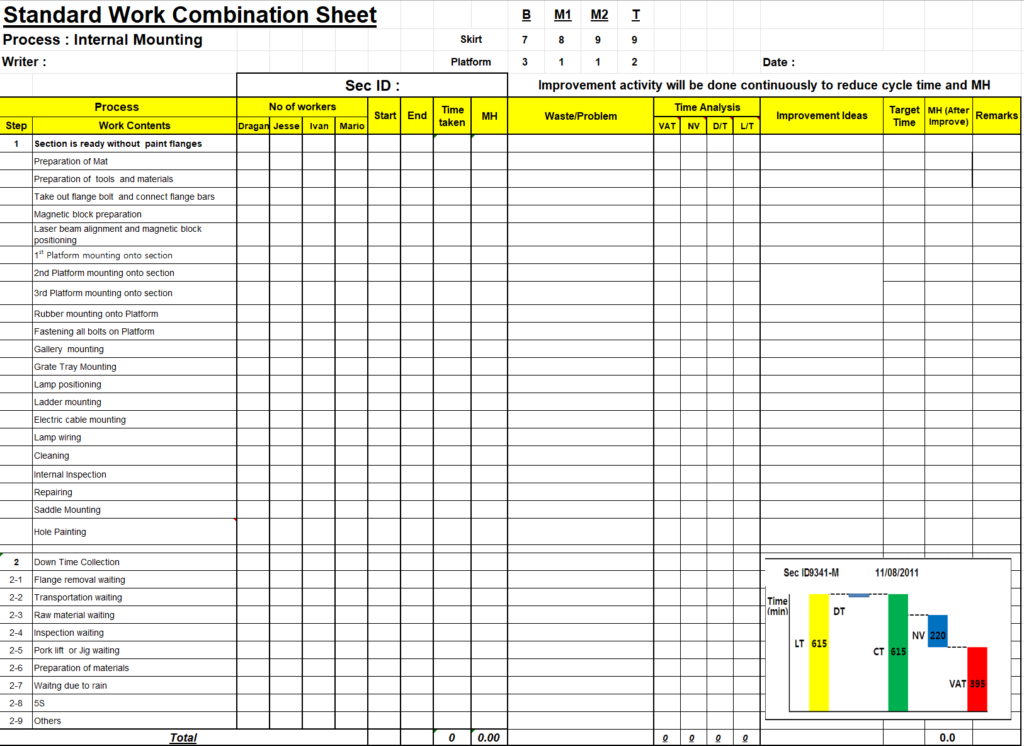
3. The Results: Proven by Numbers
The outcomes of this Internal Mounting Project exceeded our initial targets, proving once again that Lean Manufacturing methodology works wonders when executed precisely.
| Key Performance Indicator (KPI) | Before | After | Improvement (%) |
| Hourly Output (Uph) | Baseline | +41% | 41% Increase 🚀 |
| Defect Rate (PPM) | Baseline | Near-Zero | Significant Drop 📉 |
| Cycle Time (Seconds) | Baseline | Reduced | Time Saved ⏱️ |
Beyond the metrics, operator fatigue was significantly reduced thanks to the ergonomic adjustments, resulting in a safer and more motivated workplace.
Key Takeaways for Your Business
If you are looking to drive similar waste elimination in your plant or business processes to apply Lean Manufacturing methodology, keep these three golden rules in mind:
- Go to the Gemba: You cannot fix a process from a conference room. Watch the actual work being done to spot hidden motion waste.
- Involve the Operators: The best ideas for fixture modifications and layout changes usually come from the people who use them every day.
- Standardize the Gains: Once you hit a new peak in productivity, immediately document it as the new standard work to prevent slipping back into old habits.
What is the biggest bottleneck in your current operation? Let’s discuss in the comments below!
Recommended Reading: ASQ Official Guide: Plan-Do-Check-Act (PDCA) Cycle
7 Wastes or 5S post here :7 Wastes : The Definitive Guide to Eliminating Non-Value-Adding Activities
Discover more from mfginsights.net
Subscribe to get the latest posts sent to your email.