In global supply chain management, heavy manufacturing facilities are often judged solely by their technical throughput—scrap rates, cycle times, and overall equipment effectiveness (OEE). However, true operational excellence is never just a mechanical equation. It is a human one, Mutual Trust and Respect for People.
As a business leader who has managed mega-heavy manufacturing plants across highly complex geopolitical and cultural landscapes—including China, Vietnam, and the United States—I have learned that long-term continuous improvement (Kaizen) depends entirely on a foundational Lean principle: Mutual Trust and Respect.
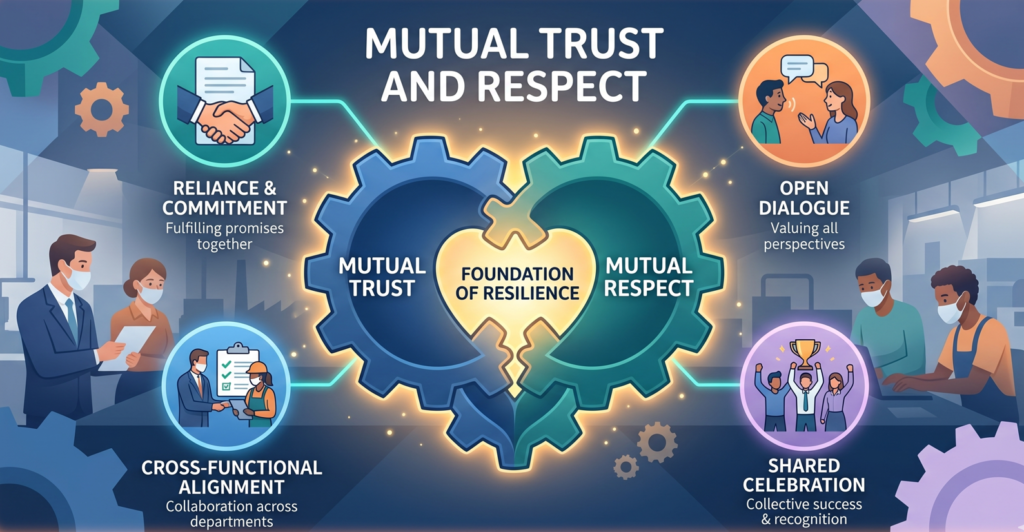
Operational resilience is built outside the standard production line. It requires a holistic leadership framework anchored by three strategic execution areas: systematic Corporate Social Responsibility (CSR), data-driven safety and welfare programs, and cross-functional leadership alignment.
This case study reviews how integrating these human-centric systems from 2013 to 2022 transformed our workforce into a highly aligned, crisis-resistant organization that maintained an extraordinary annual employee turnover rate of under 1%.
1. Nurturing the Local and Internal Ecosystem
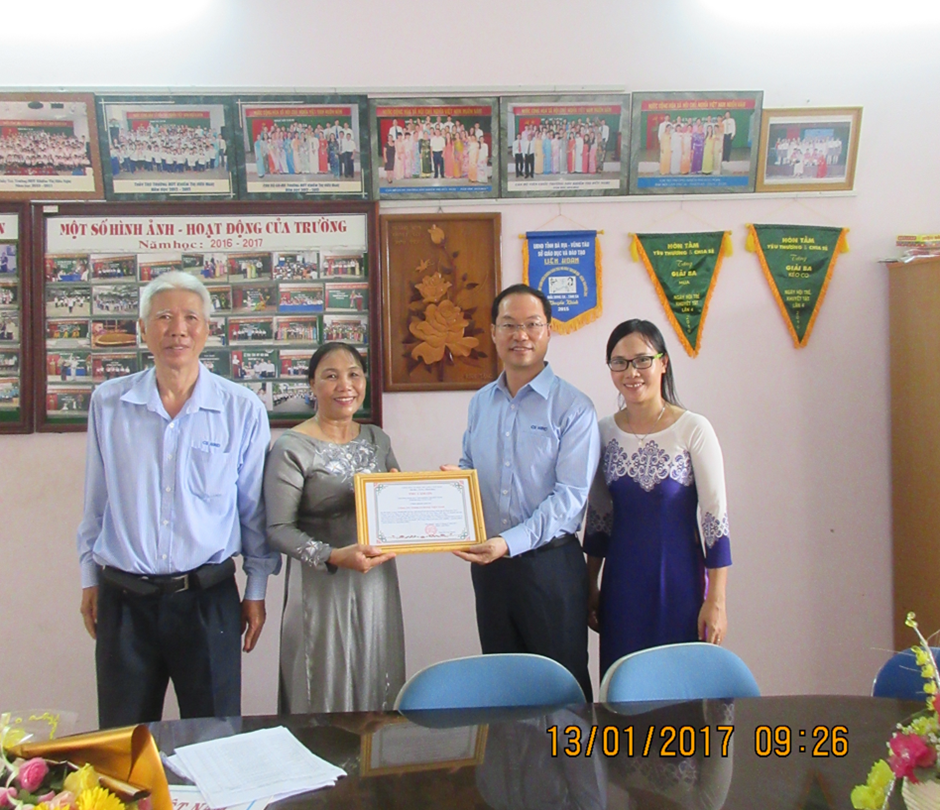
Operating a high-capacity manufacturing branch overseas means your facility is deeply intertwined with the host nation’s local community. Between 2013 and 2022, our executive team committed to a continuous, multi-year mandate of regional social contribution. We established a predictable, structured cadence of regular financial and material support for neighboring nursing homes, rehabilitation centers, and orphanages.
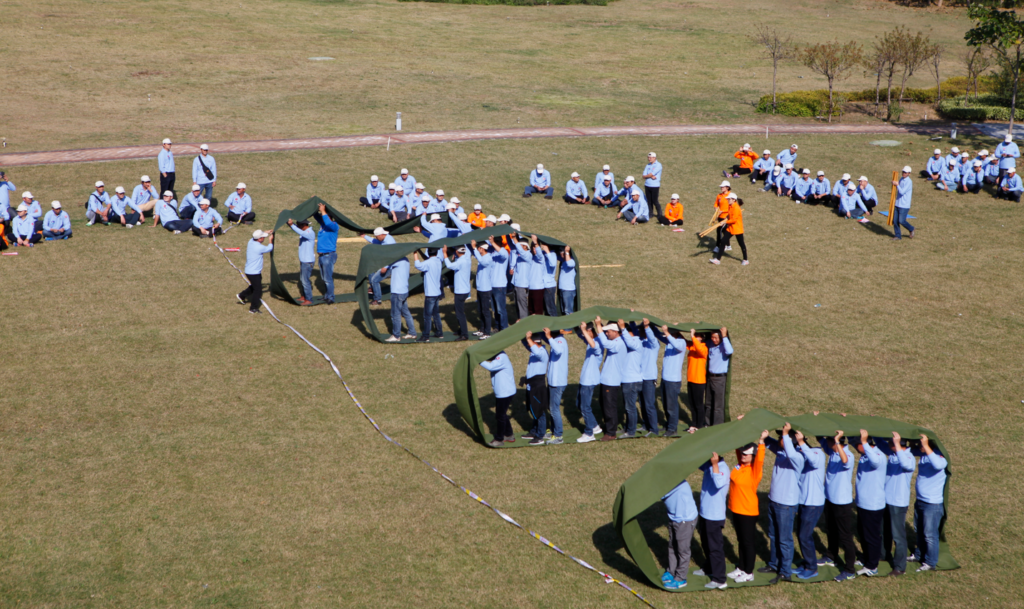
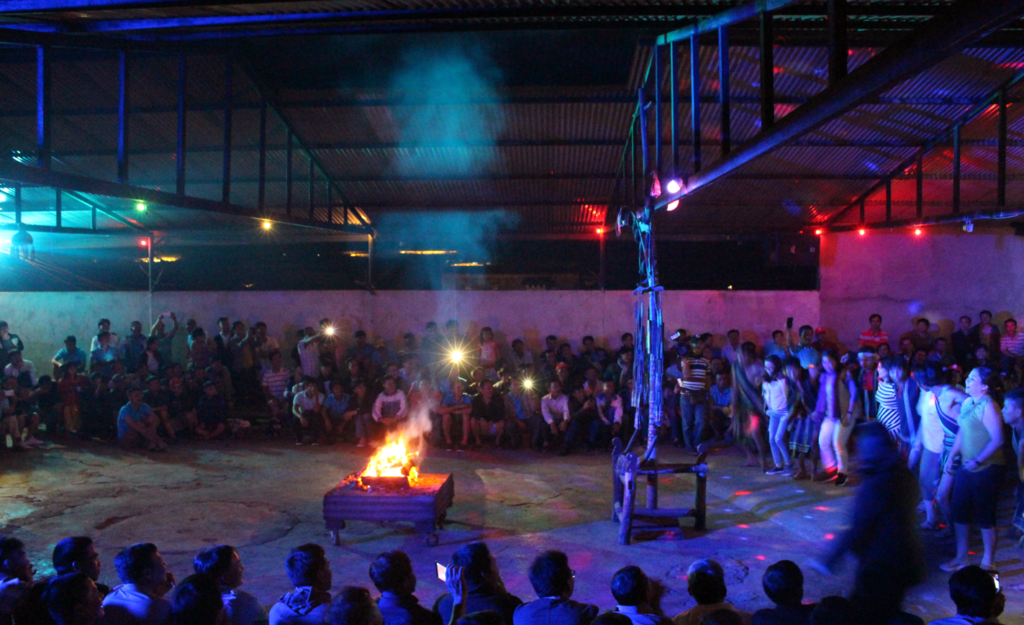
Inside the factory gates, we balanced this external social care with a robust internal community framework. Every year, our company leased professional athletic stadiums or secured dedicated areas within our complex to host a comprehensive, all-employee sports festival. By creating a collaborative environment where executives, engineers, and shop-floor operators competed side-by-side, we laid the groundwork for deep organizational trust.
2. The Challenge: Mitigating High-Risk Variables and Departmental Silos
Heavy manufacturing—particularly the fabrication and handling of 50-ton wind towers—presents immense operational challenges. Because the physical risks to human assets are naturally high—with skeletal fractures or hand lacerations being constant hazards—establishing a culture of mutual trust and respect becomes our first and most critical line of defense for strict preventative control.
Concurrently, a secondary internal threat exists in any scaling factory: inter-departmental friction. High-stress environments naturally breed silos, where production teams pushing for speed conflict with quality inspectors enforcing specifications, and logistics teams battle for yard space.
To prevent catastrophic operational disruptions, we needed a management system that could simultaneously protect our operators’ physical safety, provide complete family welfare, and systematically dismantle departmental rivalries before they impacted the shop floor.
3. Strategic Safety Systems and the Executive KPI Workshop
We addressed these risks through two uncompromising leadership initiatives: a proactive safety-welfare infrastructure and a structured off-site executive alignment model.
Proactive Care and Risk Elimination
When an industrial accident occurred, our immediate priority shifted entirely to the human element. We implemented a strict care protocol ensuring injured employees received premium medical rehabilitation support alongside structured annual financial compensation to protect their families’ livelihoods. To eliminate catastrophic hazards like industrial fires, we collaborated annually with regional fire departments to run high-intensity, site-wide simulation drills, training 100% of the workforce in hands-on fire extinguisher operations.
The Annual Off-Site Executive KPI Workshop
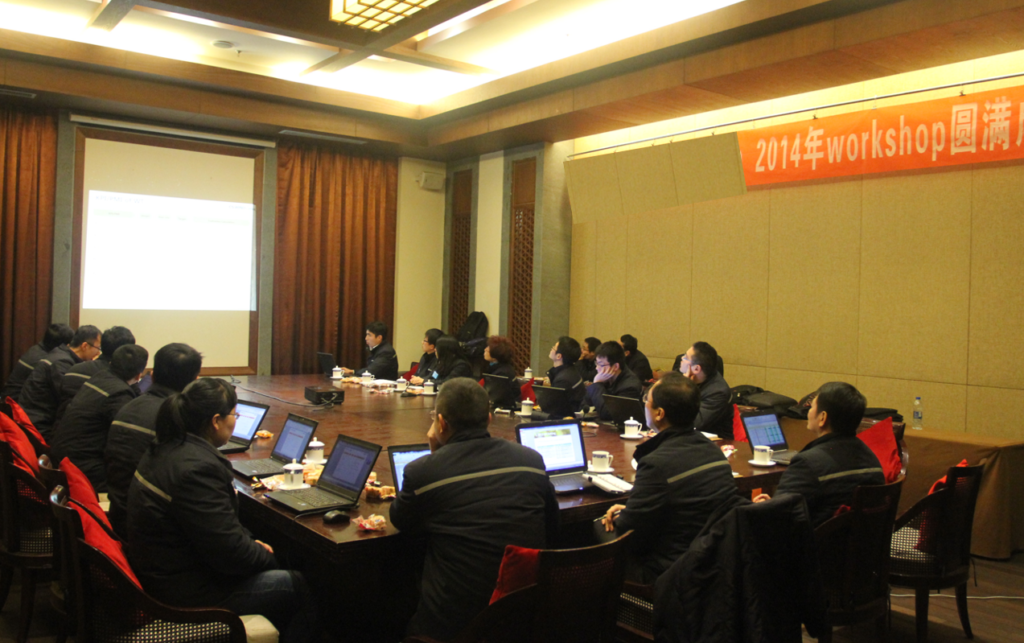
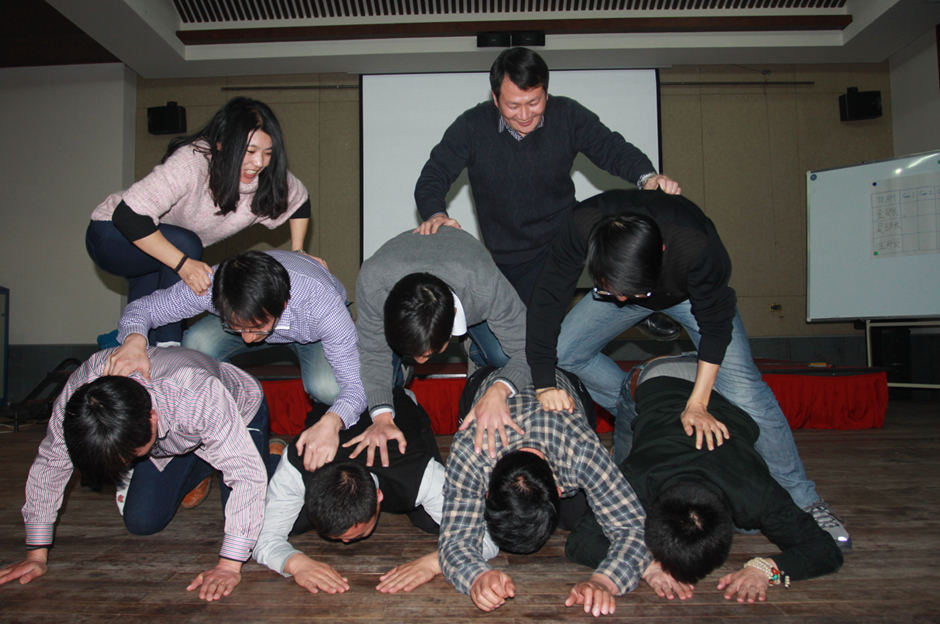
To break down executive and departmental silos, we established a mandatory 2-day, 1-night off-site strategic workshop at the beginning of every fiscal year. The agenda was strictly divided into two high-impact phases:
Cross-Functional KPI Alignment:
Executive and senior managers from every department gathered outside the daily pressure of the factory to collaboratively define the company’s new yearly objectives. In an atmosphere of mutual trust and respect, each department meticulously mapped out their individual Key Performance Indicators (KPIs) and presented joint execution strategies to ensure full operational synchronization.
Inter-Departmental Conflict Resolution:
The retreat purposefully integrated tailored team-building games designed to lower defenses, dissolve historical friction, and build authentic camaraderie among leadership personnel.
4. Crisis-Proof Teamwork and 1% Turnover
The convergence of active CSR, strict process safety, and the annual executive KPI workshop delivered a profound competitive advantage when external macro-crises struck.
An Unmatched Retentive Metric
The most striking validation of our safety and welfare ecosystem was our retention rate. In an industrial landscape where global manufacturing plants routinely battle chronic labor shortages and double-digit volatility, our factory maintained an annual employee turnover rate of less than 1%.

The Ultimate Crisis Resolution Engine
The trust forged during the executive KPI workshops and all-employee sports festivals created an unshakeable operational shield. Whenever our facility faced severe global market corrections, raw material bottlenecks, or sudden supply chain crises, our leadership team did not fracture into finger-pointing. Instead, they leveraged their established cross-functional trust, deploying rapid, unified teamwork to navigate and overcome the crises seamlessly.
Conclusion: The Holistic Equation for Modern Manufacturing
World-class manufacturing excellence cannot be achieved through technical engineering alone. True operational resilience is cultivated by respecting your community, implementing meticulous safety standards, and aligning your executive leadership around shared goals and open dialogue.
For global manufacturing executives and business leaders, the blueprint is clear : take absolute care of your people, protect them with rigorous safety controls, and align your leaders through strategic off-site workshops. When your operations are built on a foundation of mutual trust and respect, your shop floor will naturally possess the collective strength to overcome any crisis.
“Hungry for more? Check out these related posts.”
A Factory Turnaround Case Study: Turning Deficit into Profit
How to Turn SMART KPIs into Real-World Execution
Discover more from mfginsights.net
Subscribe to get the latest posts sent to your email.